INTRO
Who Was Gaudí
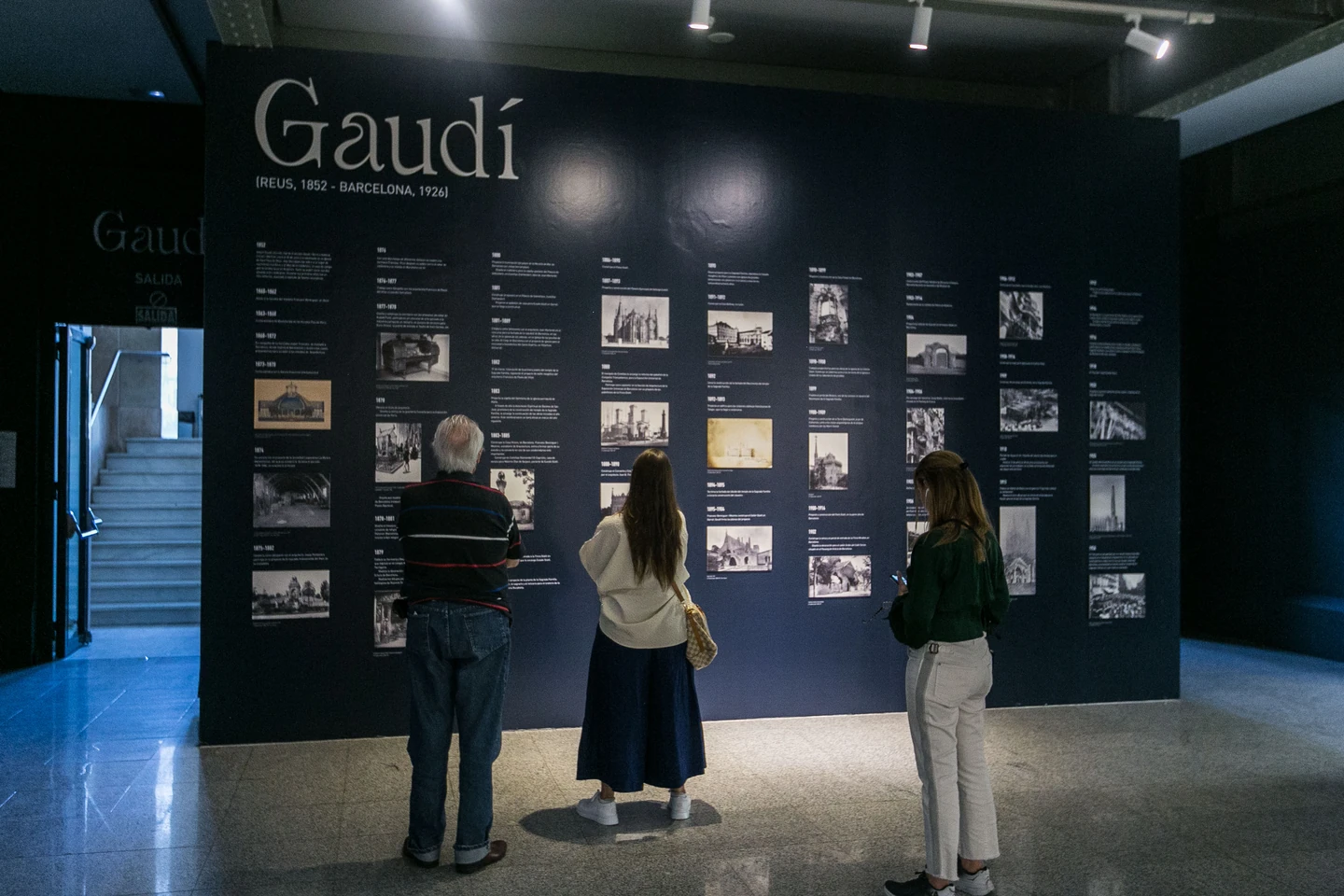
We invite you into Gaudí’s majestic world of curves and light. This section explores the master’s life and artistic vision, immersing visitors in his remarkable legacy shaped by the seamless union of nature and technology.


Supported by


Organized by






Supported by


Organized by


This activity is part of the commemoration of Gaudí Year.
Commissioner of Gaudí Year 2026
Director of the Gaudí Chair (ETSAB – Universitat Politècnica de Catalunya)
Conservation Architect of Torre Bellesguard
In 2026, as we mark the centenary of Antoni Gaudí’s death, we look anew at his work. This exhibition goes beyond celebrating Gaudí simply as an architectural genius. Drawing on research into primary sources and his buildings, it seeks to provide a deeper and more accurate understanding of his architecture.
Behind Gaudí’s creativity lay extensive knowledge and meticulous investigation spanning geometry, structure, materials, light, acoustics, and the natural sciences. By exploring these scientific and technical foundations, we can more clearly recognize the true innovation and value of his work.
I hope this exhibition in Japan will offer visitors an opportunity not only to appreciate Gaudí’s work, but also to question, explore, and understand it from new perspectives. A century after his death, I believe the most meaningful way to carry his legacy forward is to continue studying his work and share that knowledge with a wider audience.
Under the exhibition direction of General Director Galdric Santana and the expert curation of curator Charo Sanjuán, this exhibition presents Gaudí’s architectural philosophy and artistic life through a cohesive narrative. It offers a unique opportunity to experience the creative world of the master at a glance.
We invite you into Gaudí’s majestic world of curves and light. This section explores the master’s life and artistic vision, immersing visitors in his remarkable legacy shaped by the seamless union of nature and technology.
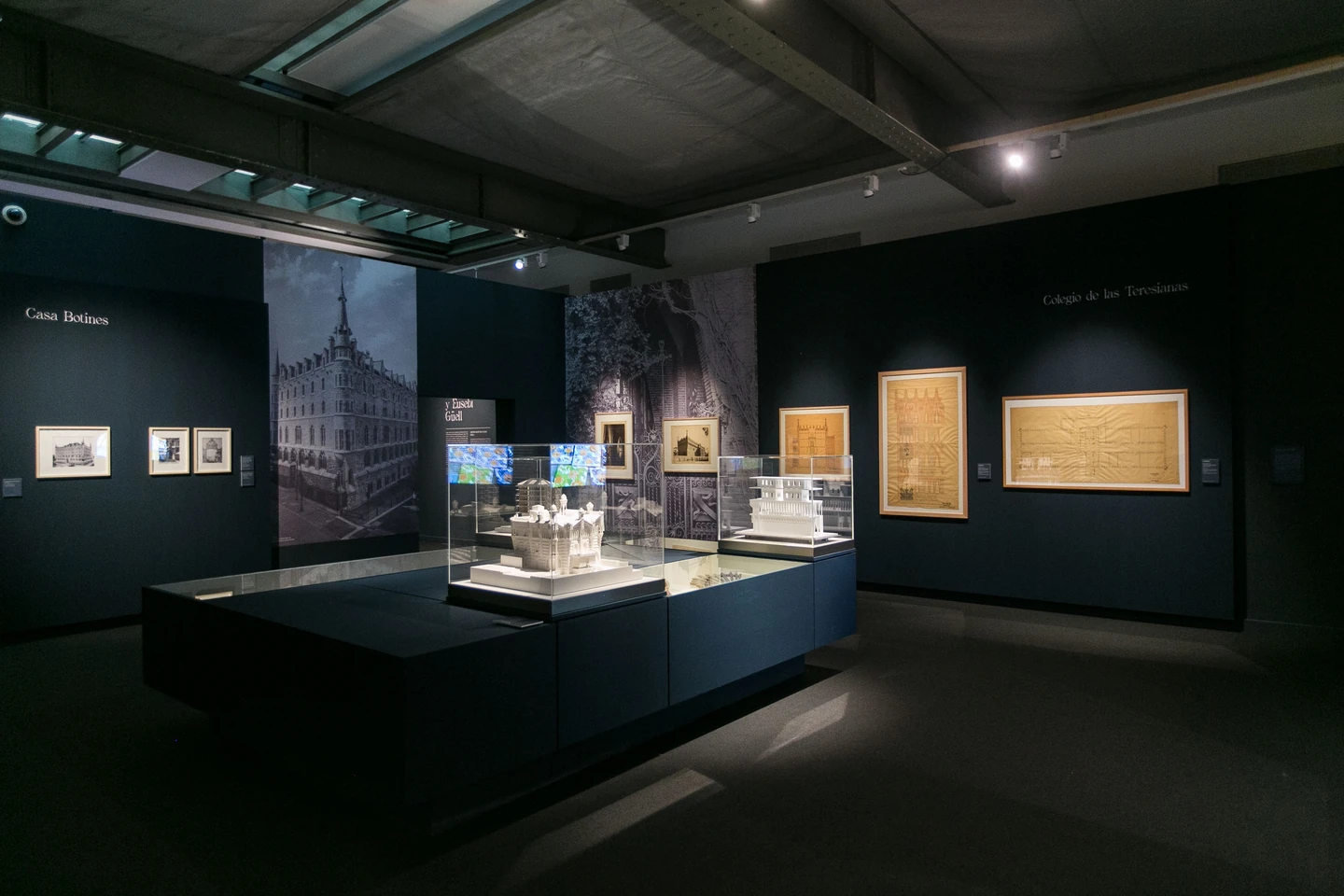
This section traces Gaudí’s early years, when collaborations with established masters revealed his exceptional practical abilities. Through early drawings and design works, it captures the beginnings of his distinctive architectural world.
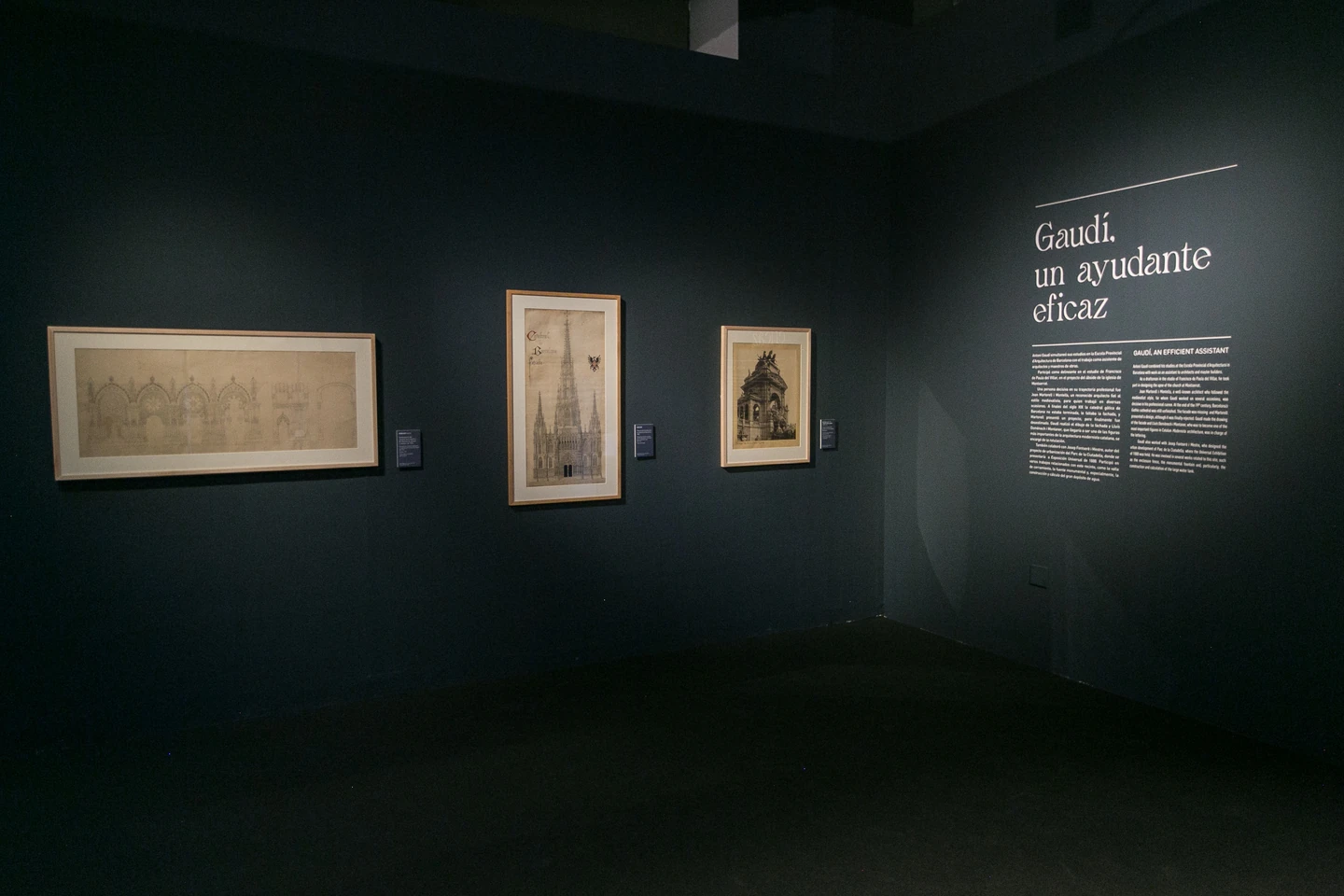
This section presents Gaudí’s first independent projects, born from his reflections on society and distinctive sculptural vision. These early architectural experiments reveal the emergence of his unique structural techniques and creative spirit of experimentation.
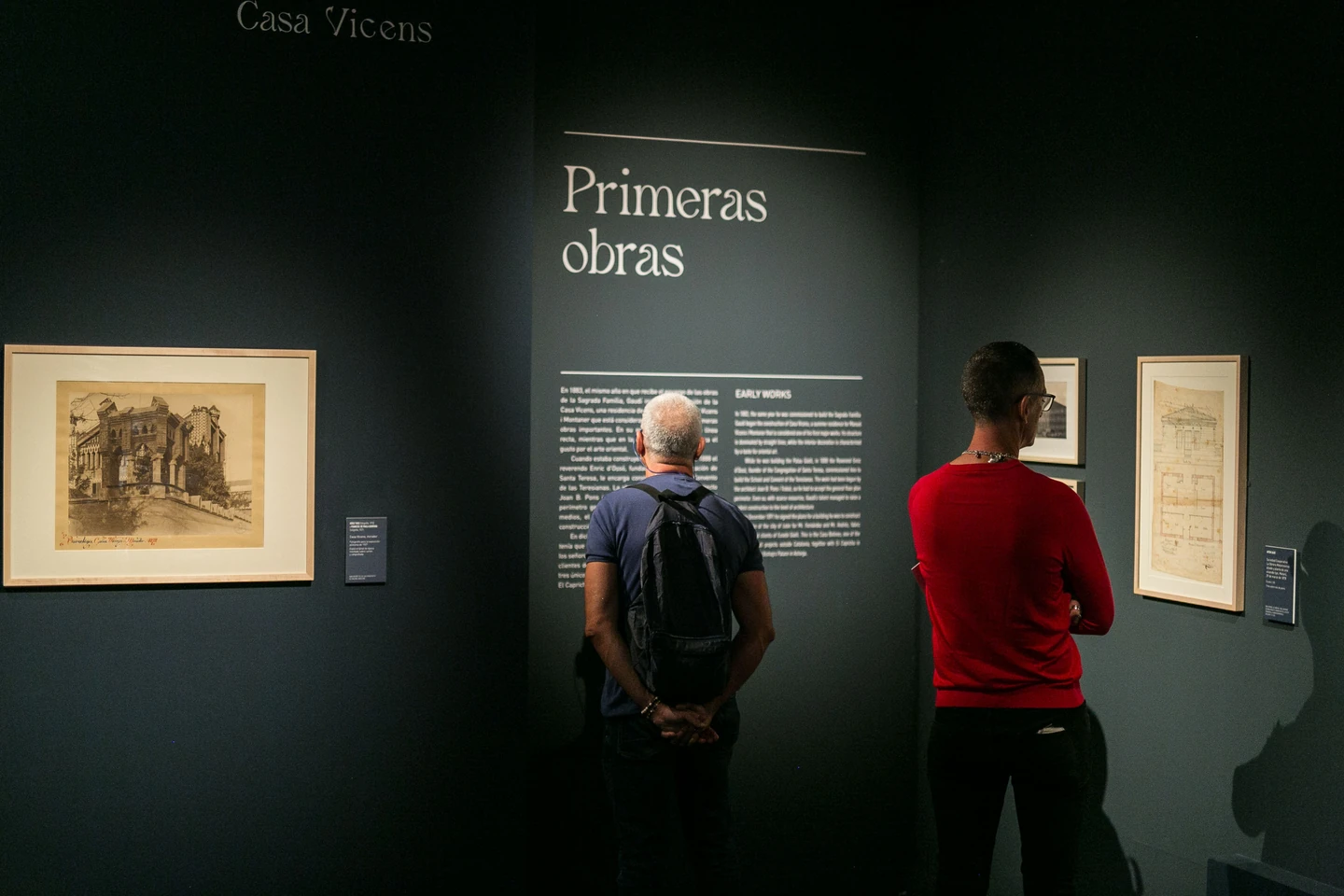
This section explores Gaudí’s evolving creative world as he dissolved the boundaries between decorative art and architectural structure. Through a range of early projects, it reveals how the beauty of nature and structural innovation came together to form a fully realized architectural language.
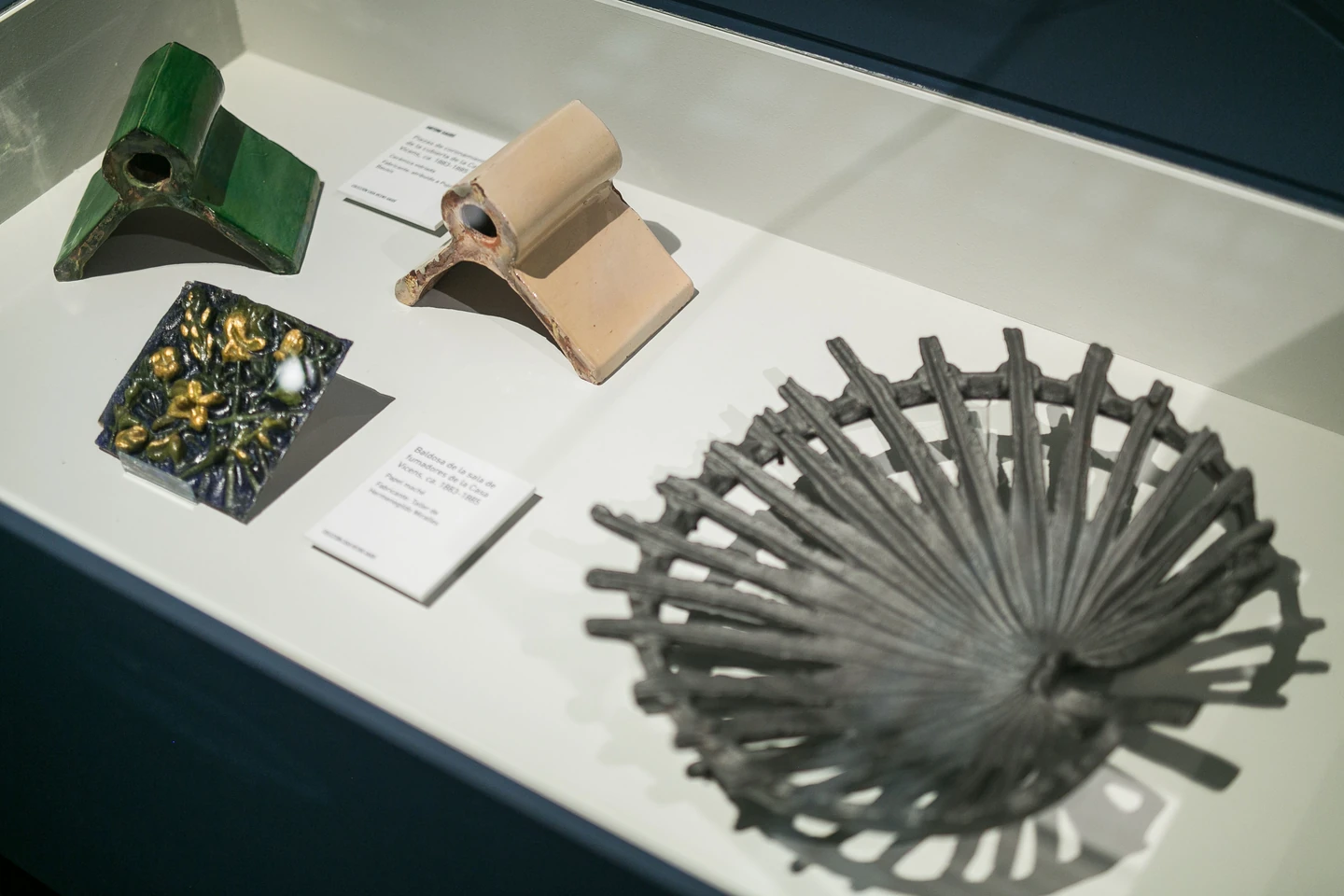
This section brings together some of Gaudí’s greatest masterpieces, born from his partnership with artistic patron Eusebi Güell. Through diverse original works and meticulously designed displays, visitors are invited into the bold and distinctive artistic world created by these two visionary figures.
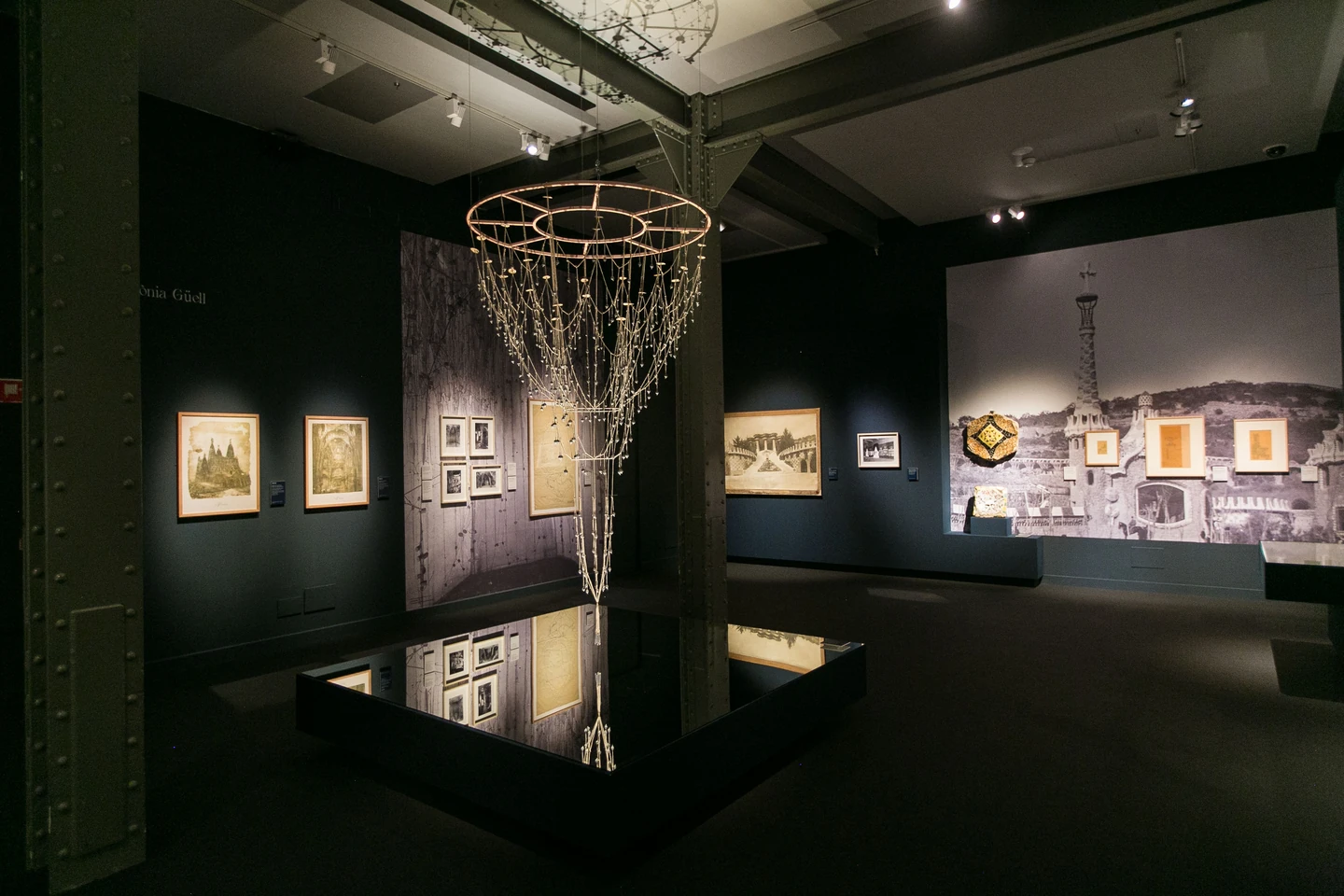
This section presents the beauty of Torre Bellesguard, where Gaudí brought his distinctive vision to a site steeped in history. Through intricate models and original materials, visitors can experience his unique architectural philosophy, uniting historical heritage with modern sculptural form.
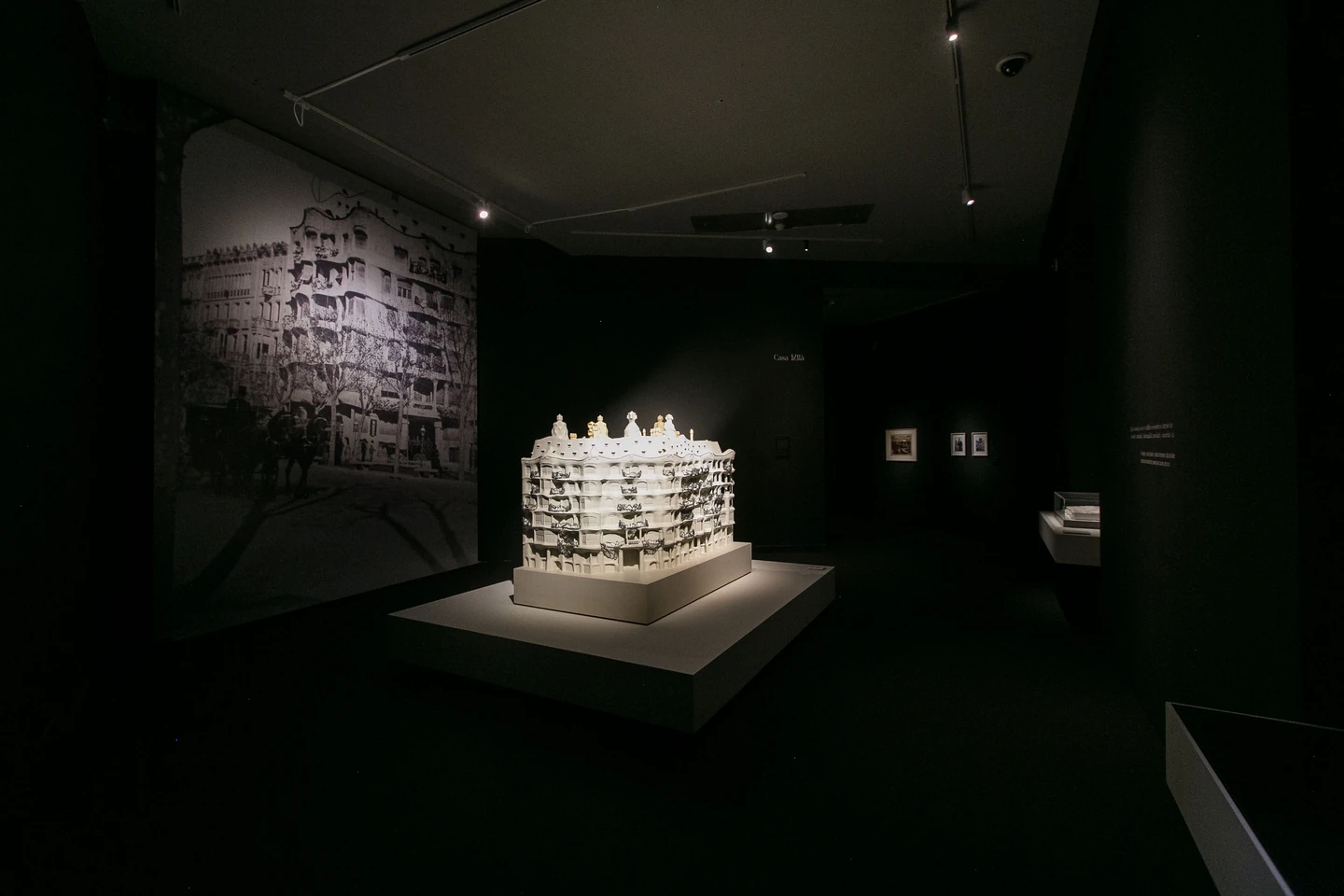
This section presents Gaudí’s landmark residential projects, which brought new vitality to urban living. From elaborate façades and sculptural rooftops to interior decoration, a diverse selection of works reveals how his architectural innovations transformed everyday spaces through a bold new aesthetic.
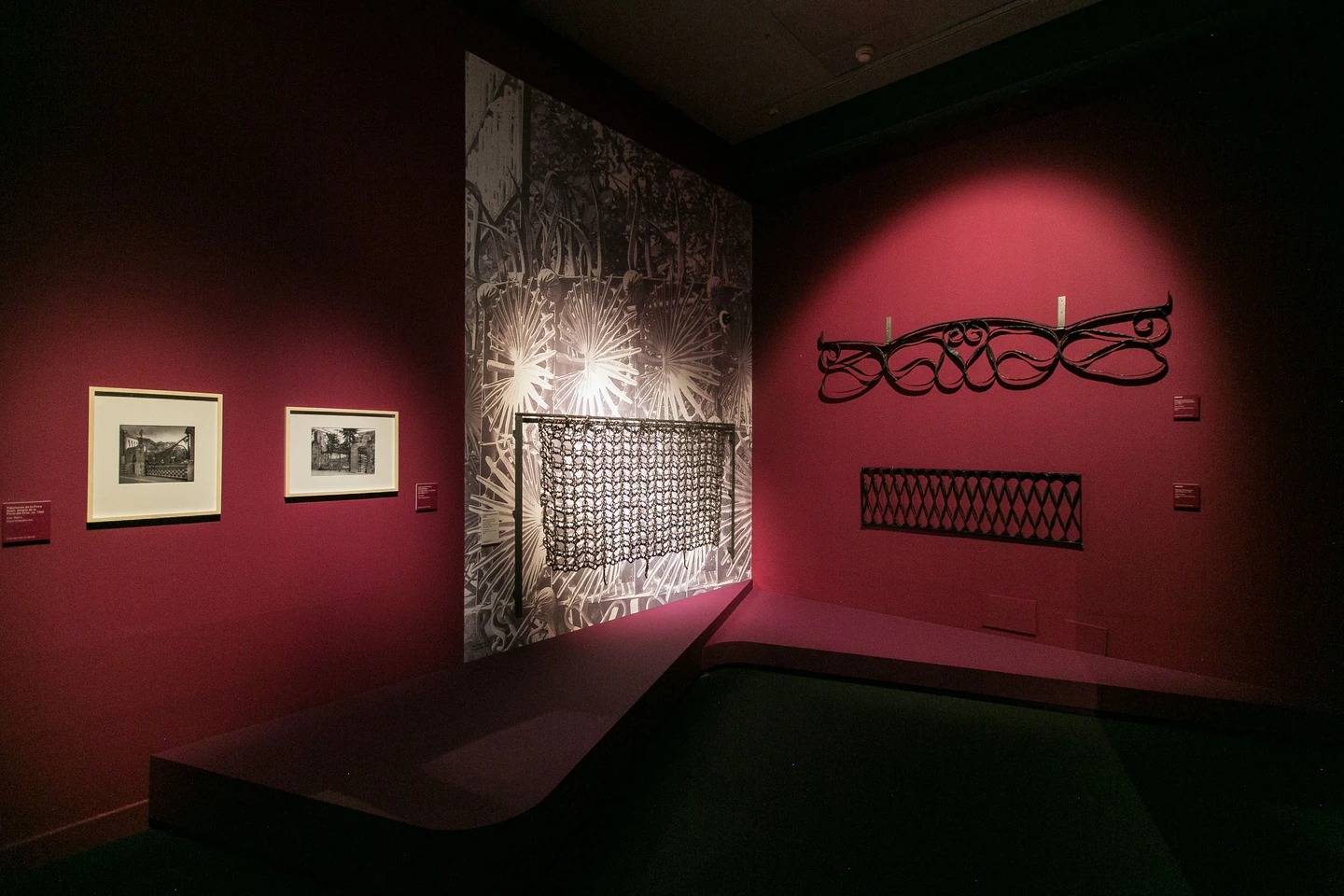
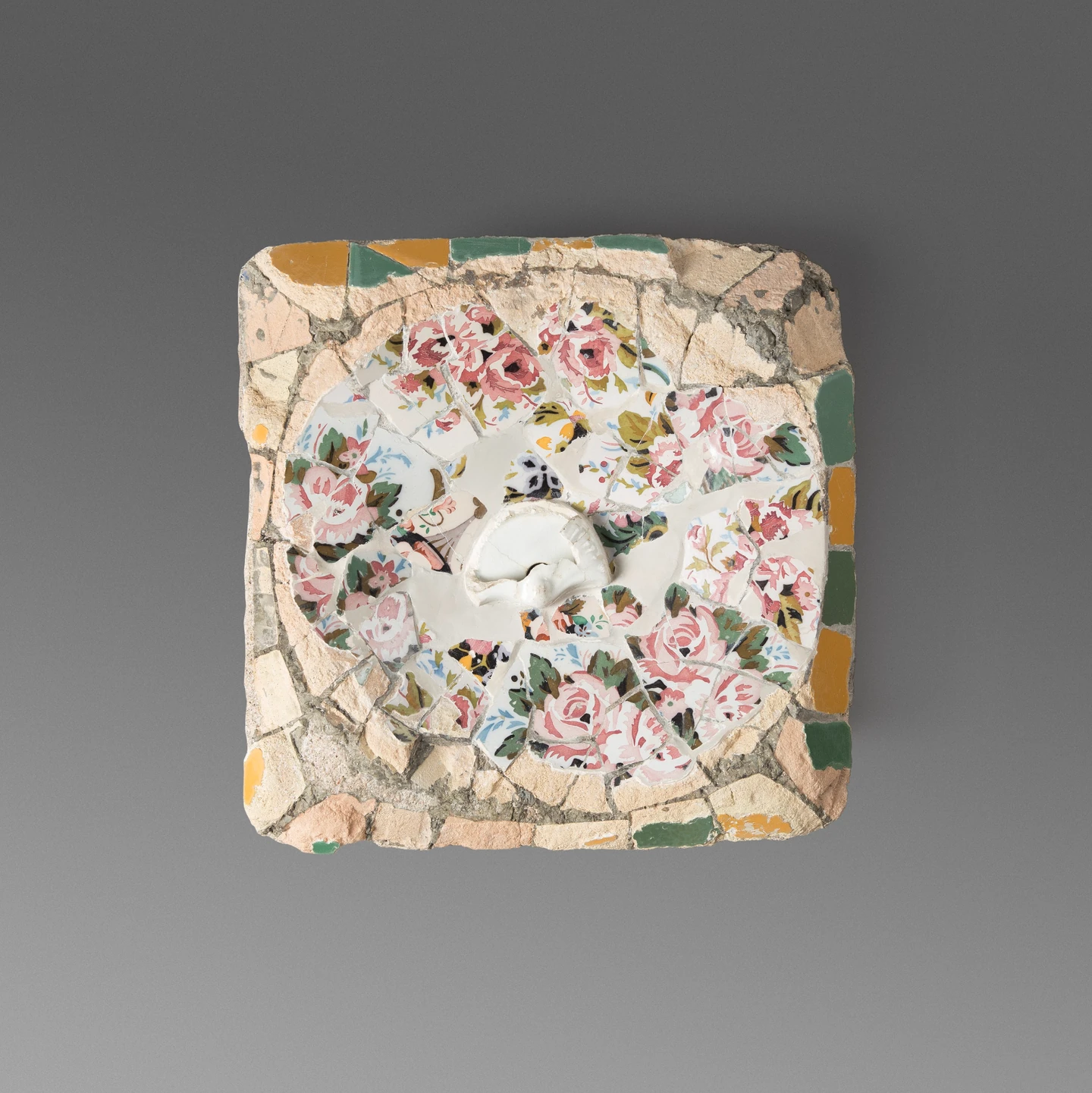
This section explores Gaudí’s artistic world of design, in which every element—from intricate ornamentation to individual pieces of ironwork—was meticulously integrated. Through refined original works born from the union of nature-inspired aesthetics and master craftsmanship, visitors can experience the essence of Gaudí’s vision of total art.
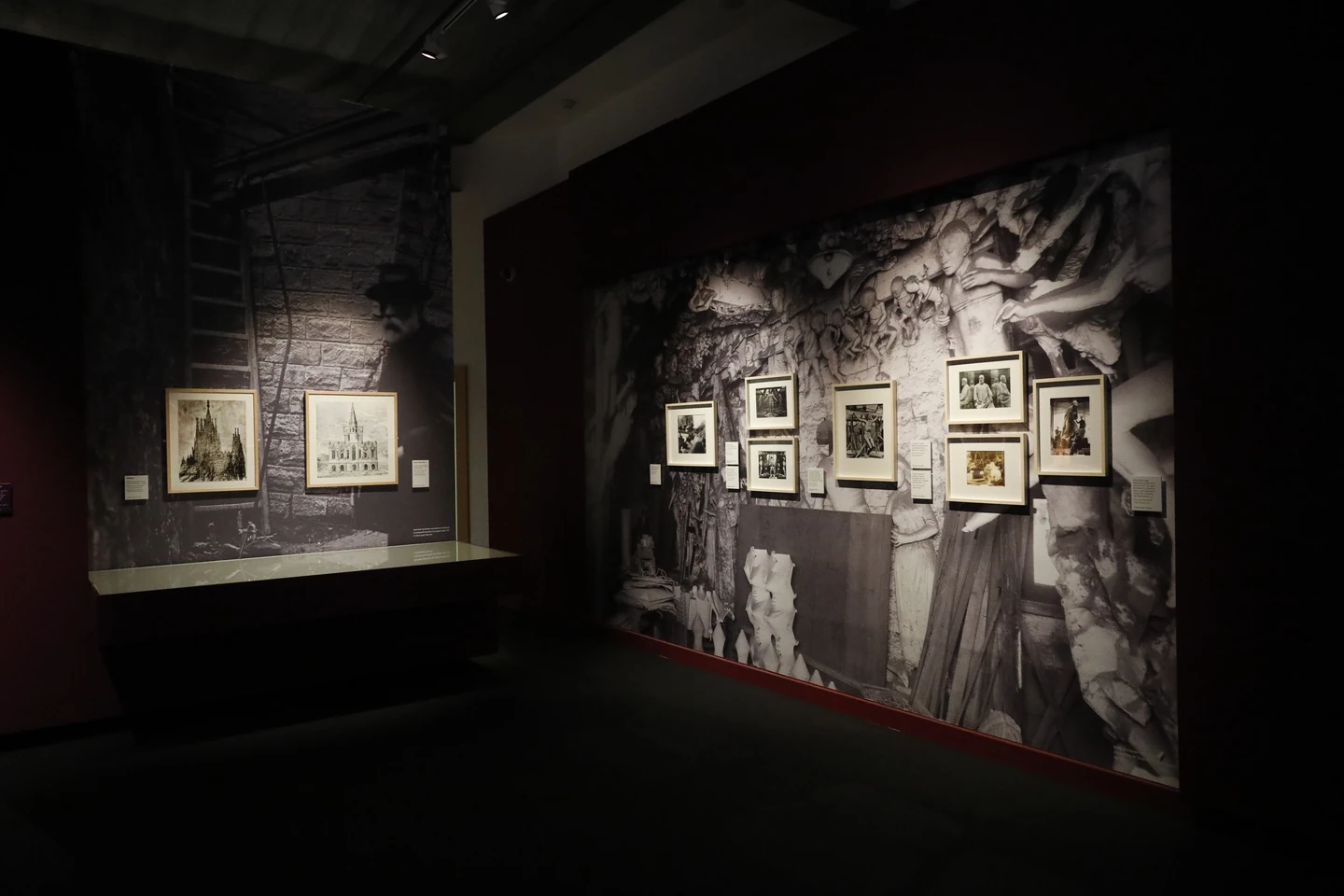
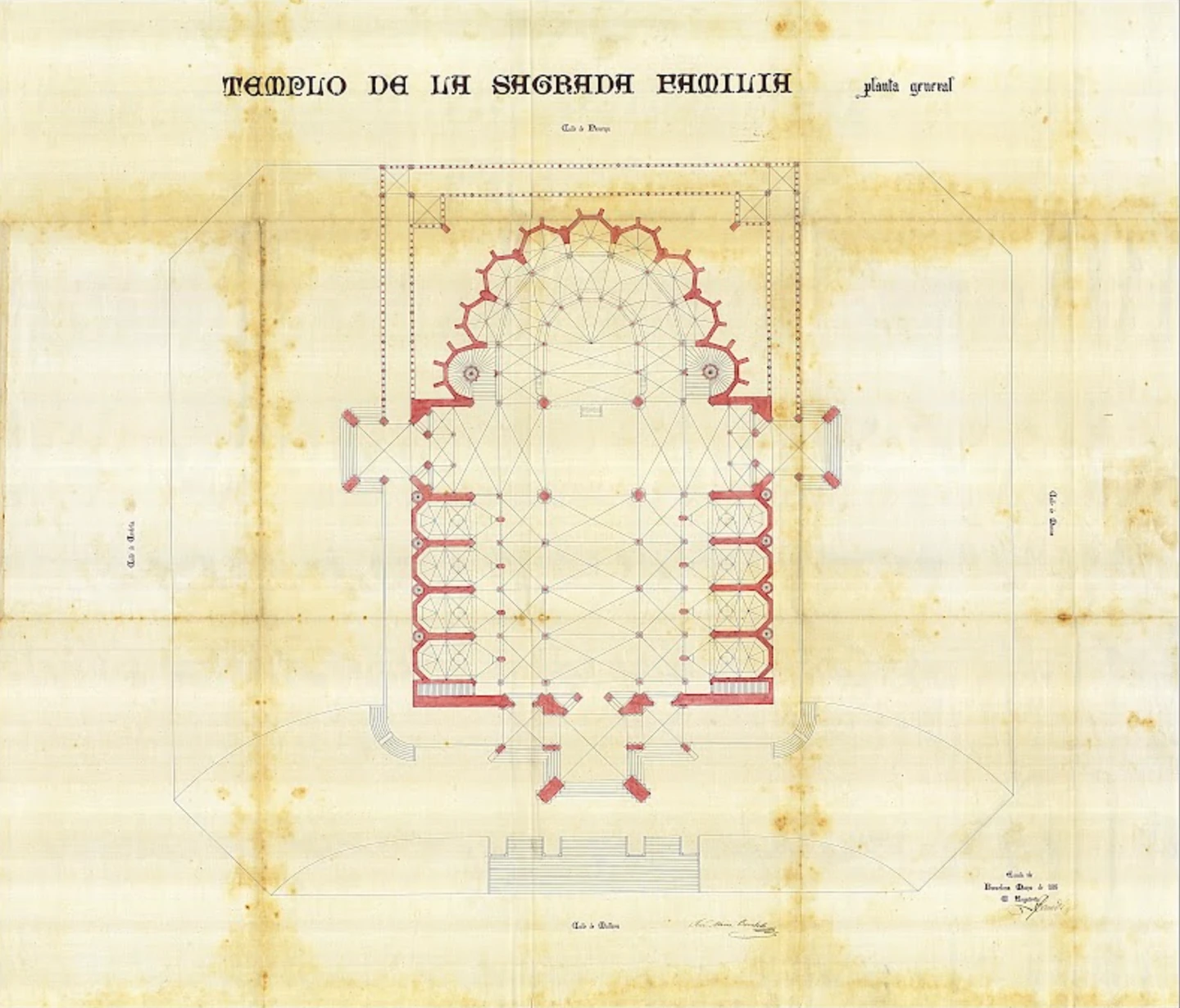
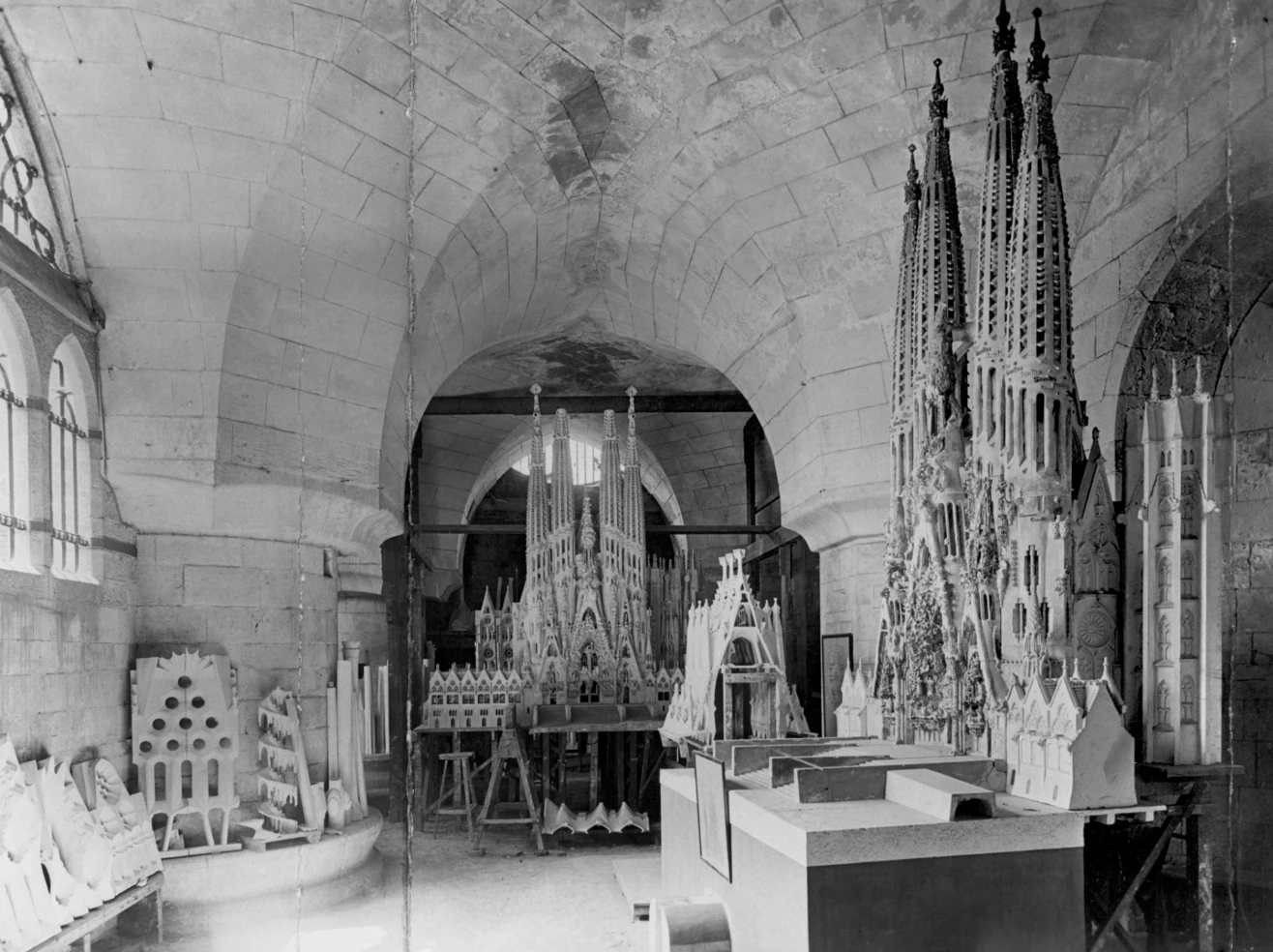
Enter the monumental story of the Sagrada Família, the culmination of Gaudí’s life and work. Through key models and rare archival records that unite structural innovation with spiritual symbolism, this section conveys his final vision and profound architectural philosophy, which continue to resonate a century later.
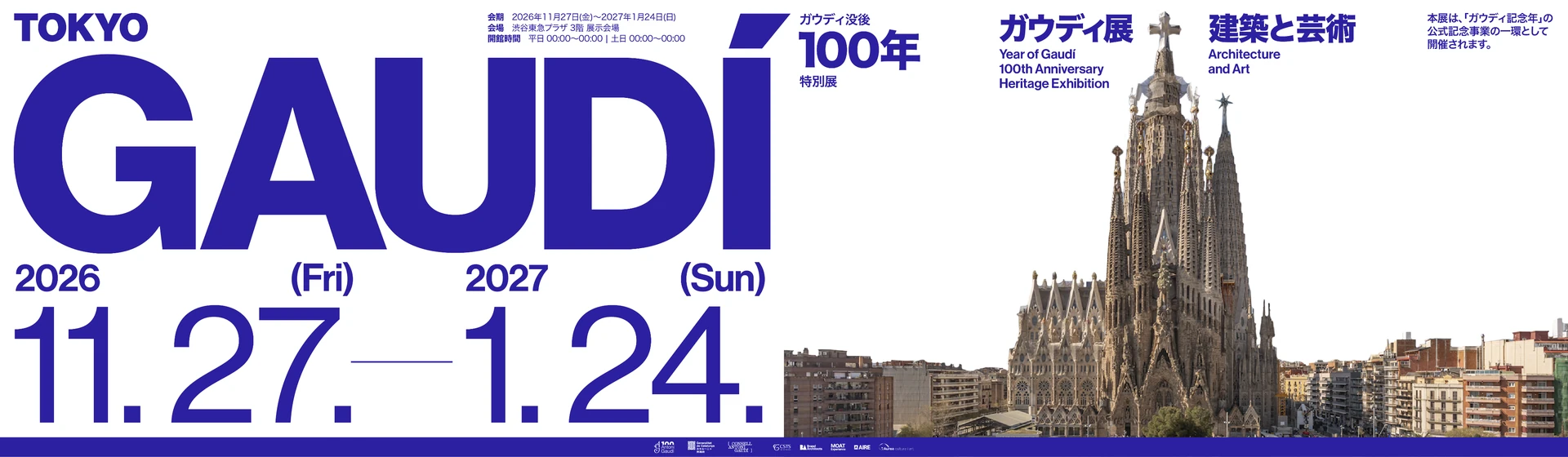
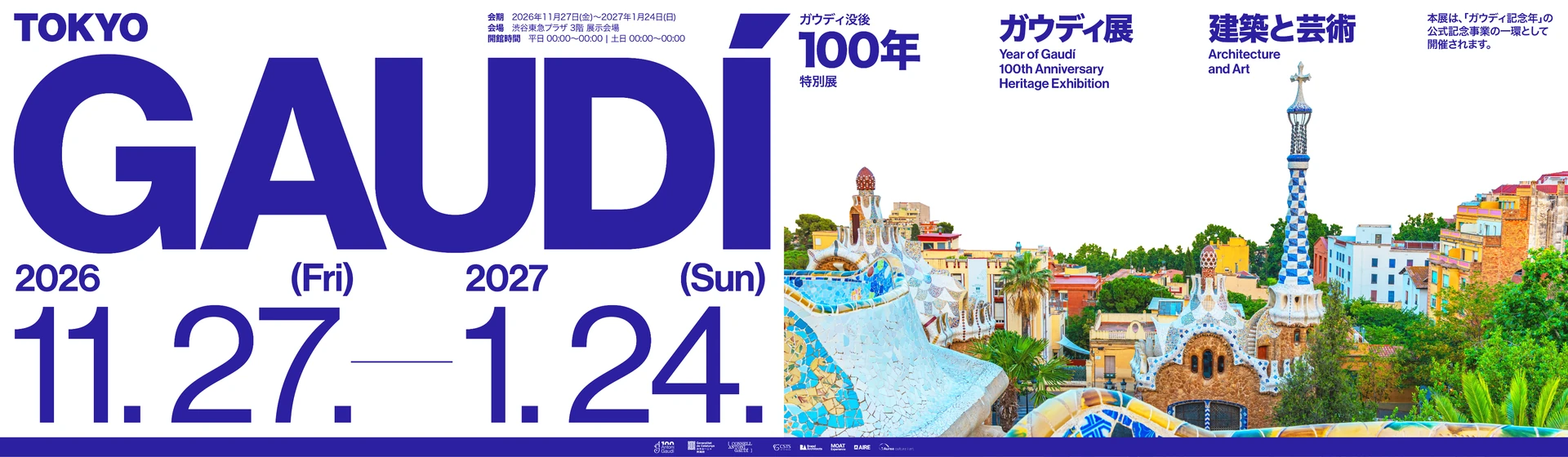
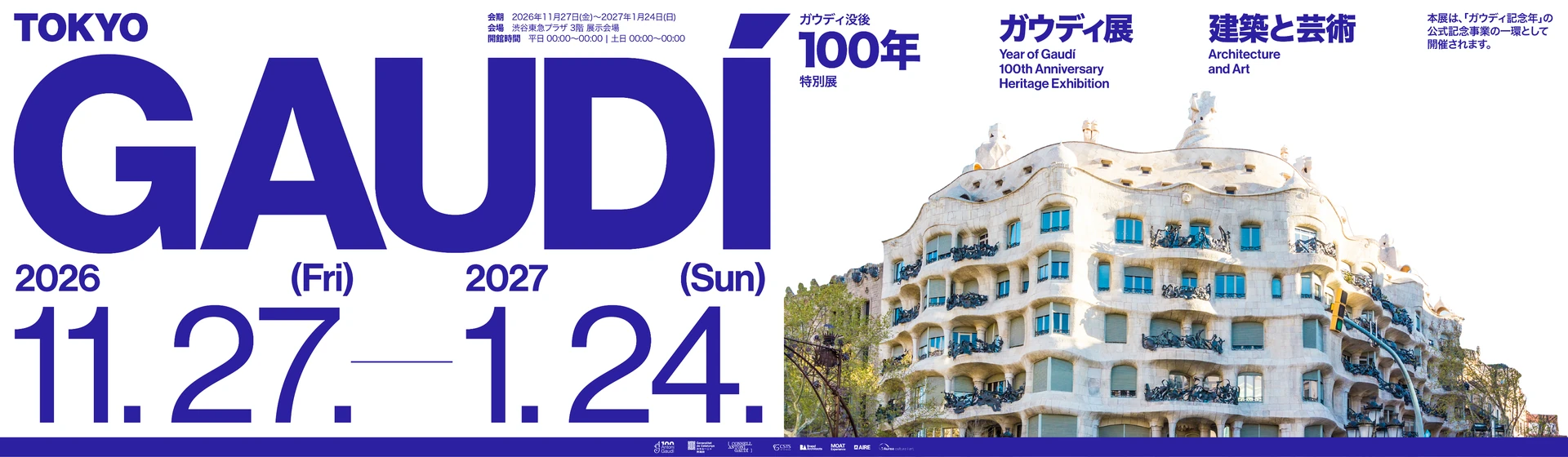
In 2026, a major special exhibition will commemorate the centenary of Antoni Gaudí’s death. Presented in collaboration with the Government of Catalonia, Antoni Gaudí Centenary Exhibition: Architecture and Art tours Japan as part of the official Gaudí Year 2026 commemorative program. The exhibition has undergone rigorous review by the Consell Antoni Gaudí, an advisory body of the Government of Catalonia, ensuring exceptional authority and quality. Moving beyond a purely commercial celebration of the master whose seven architectural works are inscribed on the UNESCO World Heritage List, the exhibition explores Gaudí’s philosophy of “total art,” which unites structure, function, and artistic expression. Rare original drawings, models, furniture, and other objects—preserved despite the 1936 fire at Gaudí’s workshop and carefully selected from major Spanish foundations and archives—are brought together in one place.
From the experiments of his youth to his lifelong masterpiece, the Sagrada Família, the exhibition traces the extraordinary trajectory of his career in depth.
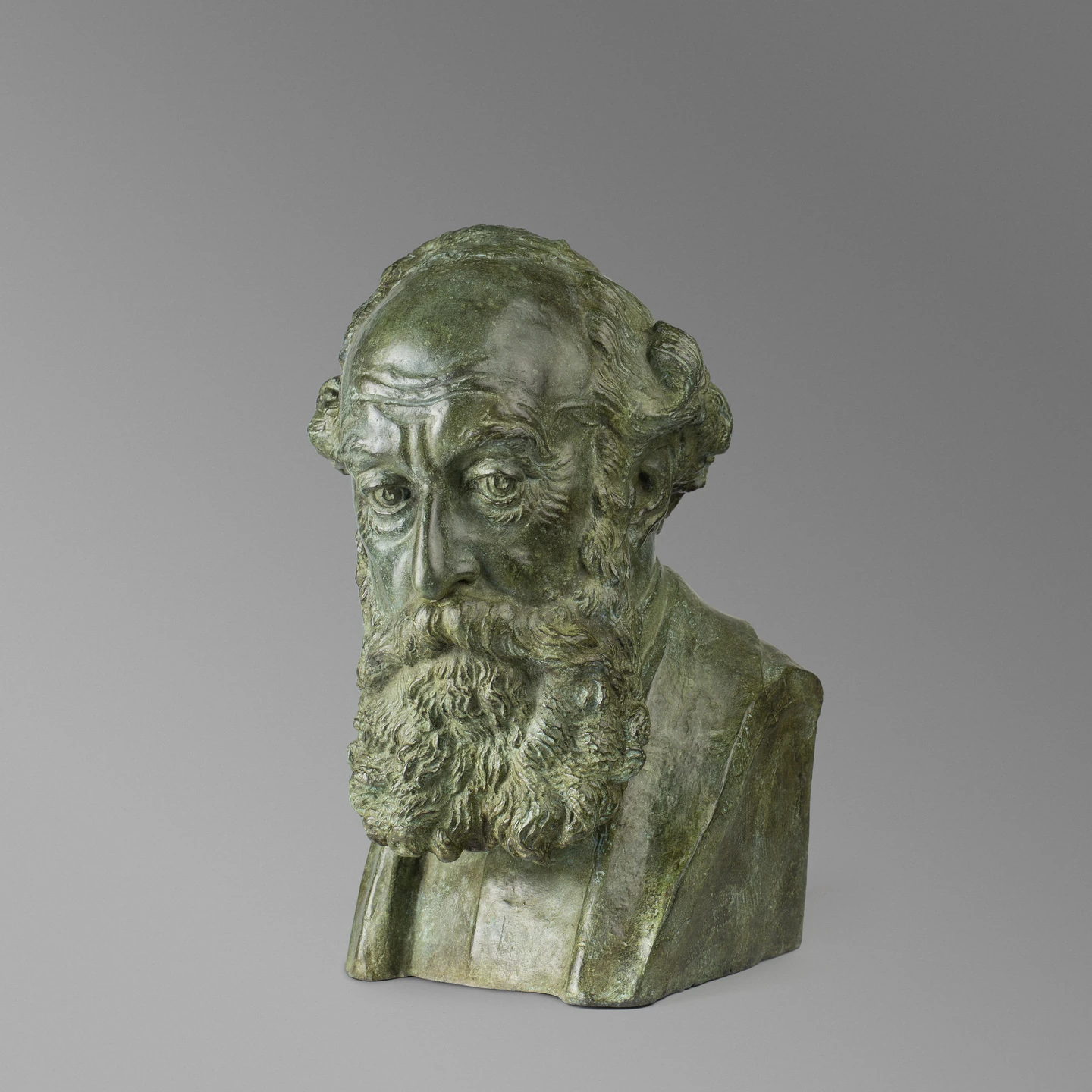
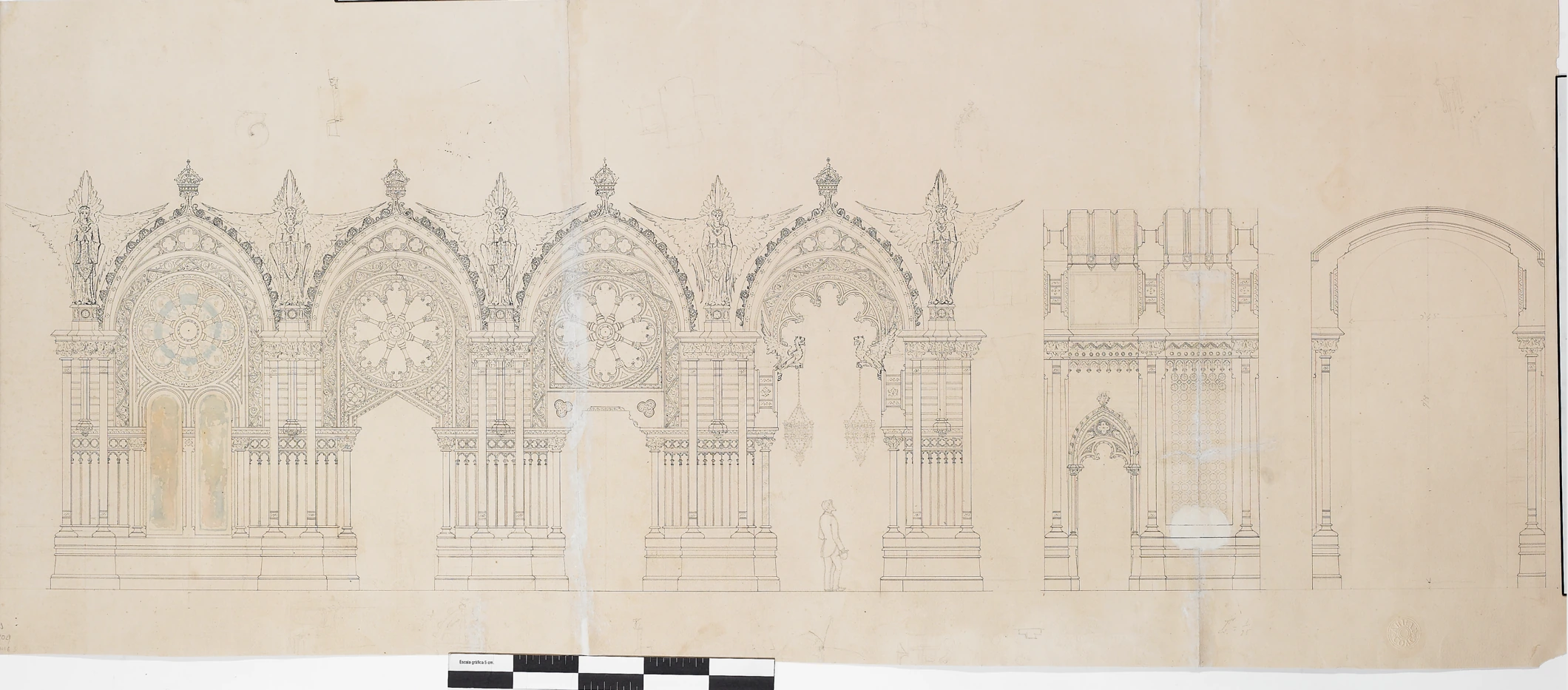
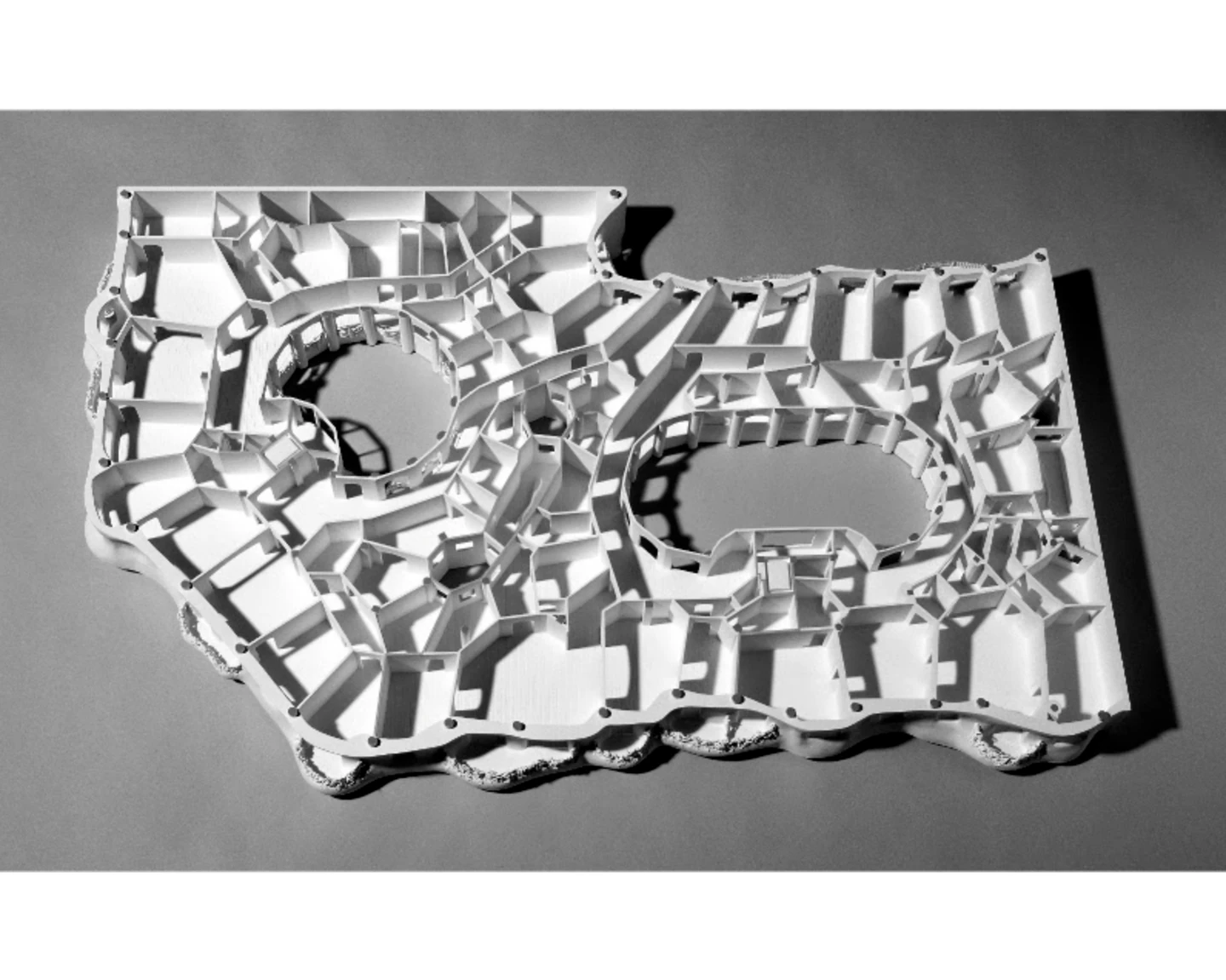
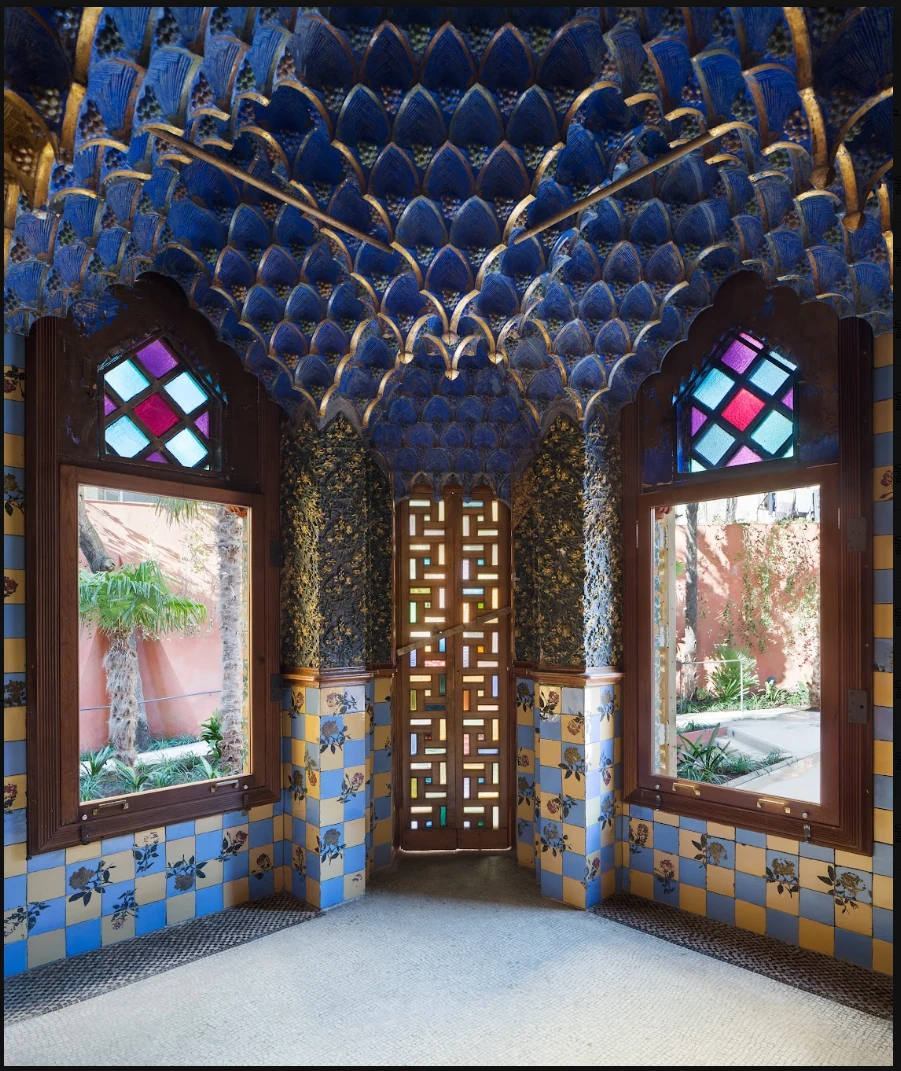
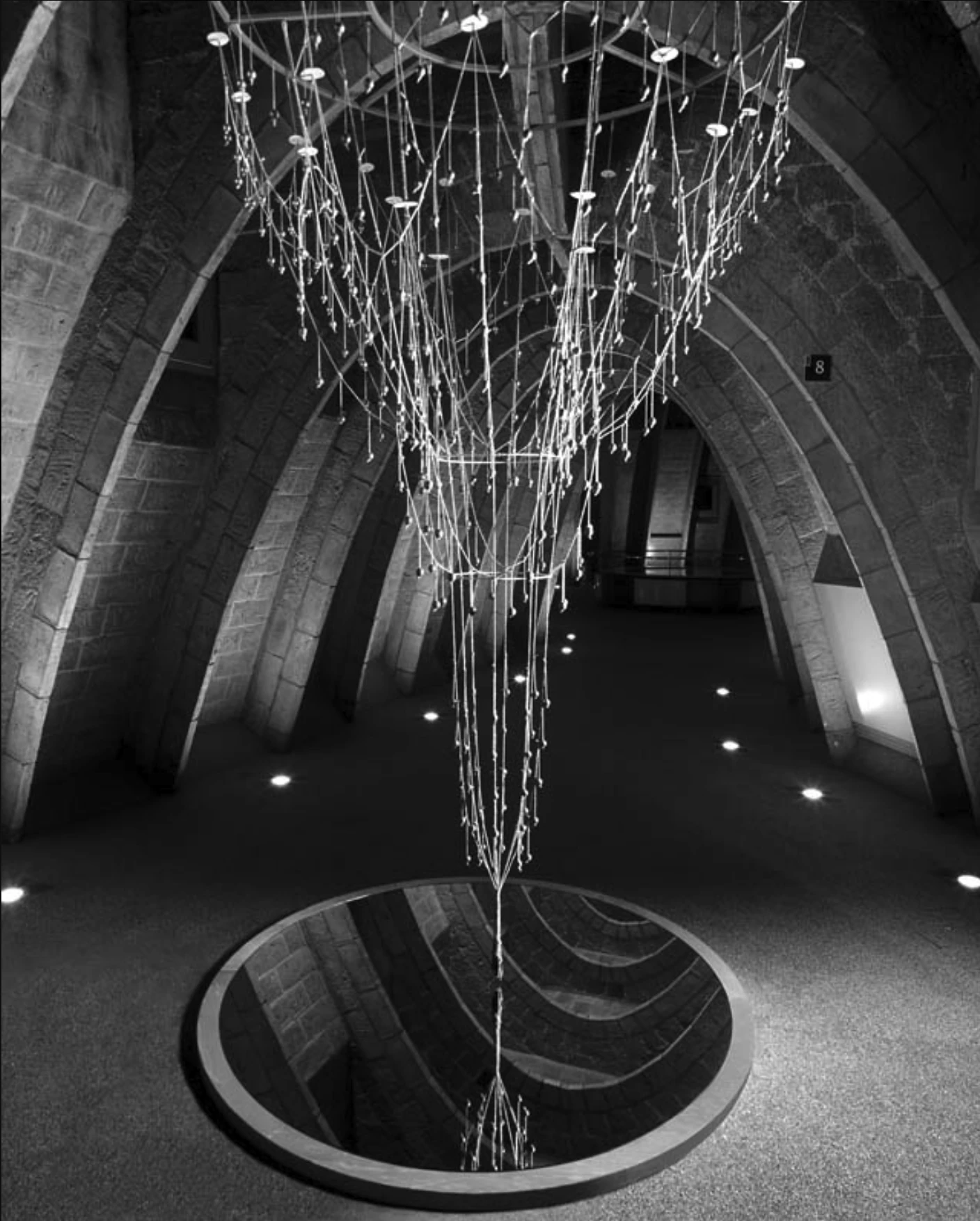
Created to mark the centenary of Antoni Gaudí’s death, this special exhibition offers a multidimensional view of his life and work through a series of thematic sections. More than 160 works and archival materials will be presented, including records relating to his seven UNESCO World Heritage sites, rare handwritten documents and design sketches preserved through the 1936 workshop fire, original decorative artworks, and three-dimensional models from major Spanish archives. The exhibition also brings together key materials related to the Sagrada Família, Gaudí’s lifelong masterpiece. Beyond a conventional commercial presentation, it vividly conveys his philosophy of “total art,” which integrated art, science, and technology.
The Consell Antoni Gaudí is an official advisory body of the Government of Catalonia, established in 2013 to systematically preserve and study Gaudí’s architecture and legacy and to communicate his vision and values accurately in accordance with scientific and ethical standards.
The Council focuses on the preservation and study of 14 major Gaudí sites in Catalonia: Nau Gaudí in Mataró, Casa Vicens, the Güell Pavilions, the Basilica of the Sagrada Família, Palau Güell, the College of the Teresians, the Crypt of Colònia Güell, Casa Calvet, Torre Bellesguard, Park Güell, the gate and wall of the Miralles Estate, the Mystery of Glory at the Monumental Rosary of Montserrat, Casa Batlló, and Casa Milà “La Pedrera.”
The Gaudí Chair at the Polytechnic University of Catalonia and the Museu Nacional d’Art de Catalunya also participate as representatives of Gaudí’s furniture and archival materials. The municipalities of Reus and Riudoms are involved as representatives of the places associated with his birth and upbringing.












Details on age categories, discounts, and other ticket information will be announced at a later date.
The Tokyo venue for this exhibition is Tokyu Plaza Shibuya, a premium mixed-use cultural destination located in Shibuya Fukuras near the West Exit of Shibuya Station, at the heart of Japan’s business and cultural scene. As a new Tokyo landmark leading the latest lifestyle and global trends, it brings together inspiring exhibitions and diverse cultural events, offering a distinctive experience for both local and international visitors.
Get directions on Google Maps (opens in a new tab)